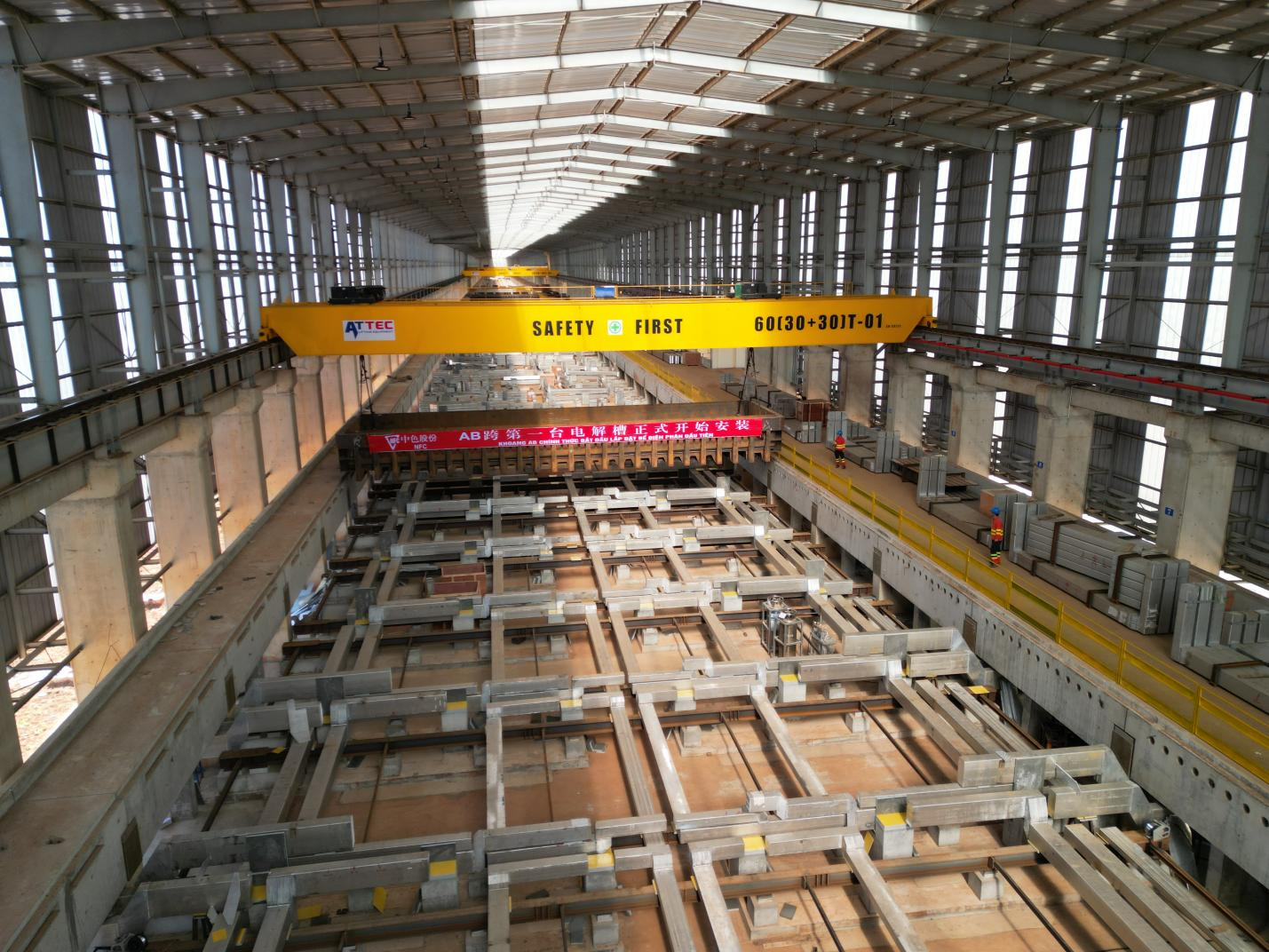
Recently, Vietnam’s first electrolysis aluminum plant officially commenced operation, marking Vietnam’s first industrialized primary aluminum production capacity and ending its long history of lacking electrolytic aluminum smelting capabilities. This achievement realizes a complete industrial chain from bauxite mining and alumina production to electrolytic aluminum smelting, representing a crucial step forward for the development of the local aluminum industry.
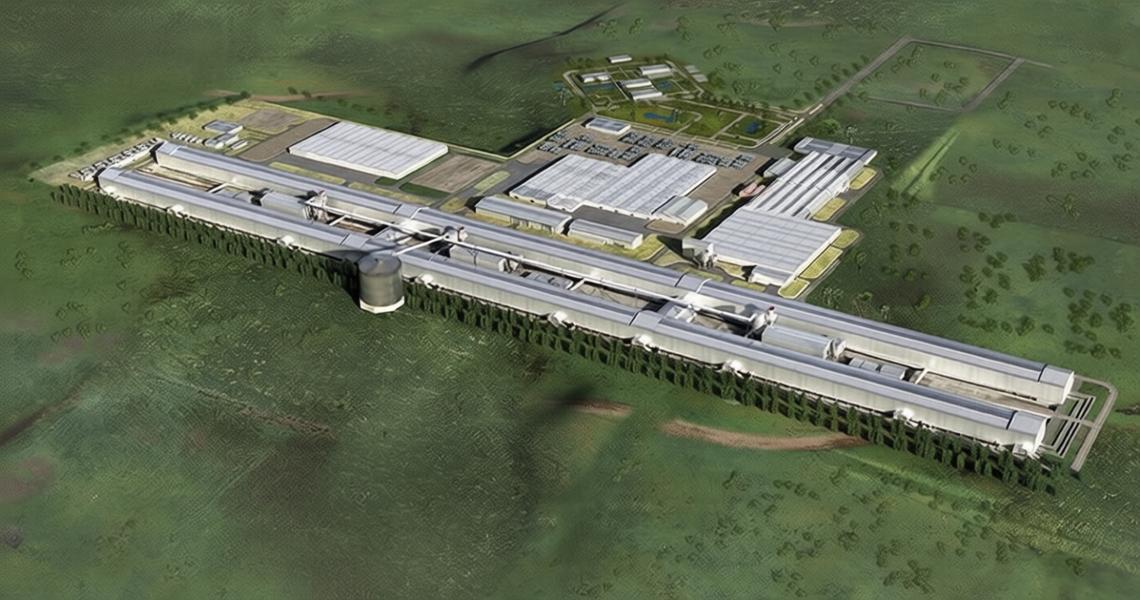
Located in the Nhan Ki Industrial Park in Lam Dong Province (formerly Dak Nong Province), the project was invested and constructed by Tran Hong Quan Metallurgical Co., Ltd., with China Nonferrous Metal Construction Co., Ltd. (NFC) undertaking the EPC general contracting. The project has a planned total capacity of 450,000 tons/year, implemented in three phases: Phase I, with a capacity of 150,000 tons/year of electrolytic aluminum, is already completed and operational; Phase II will increase the total capacity to 300,000 tons/year; and Phase III, once completed, will reach a total capacity of 450,000 tons/year, further meeting the growing demand for aluminum products in Vietnam and Southeast Asia.
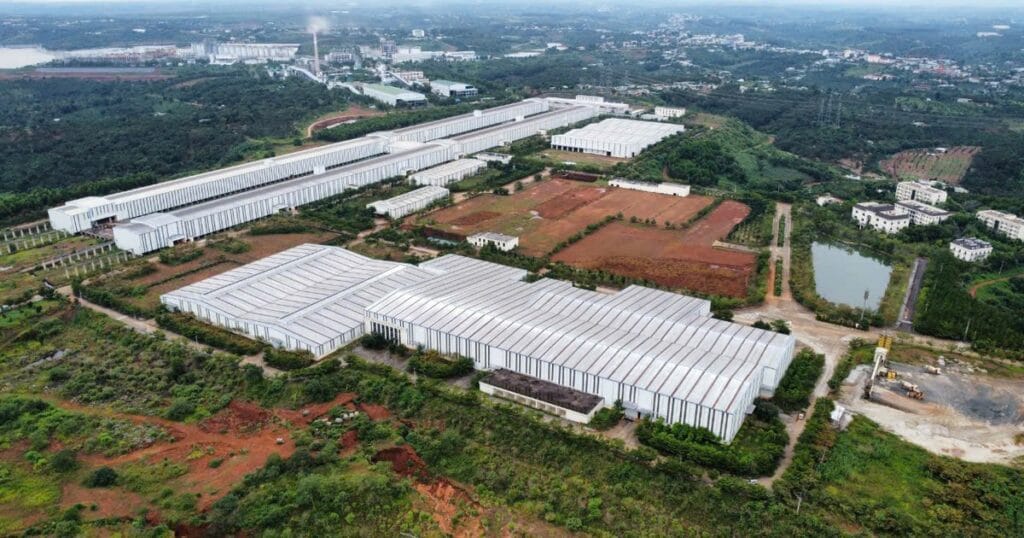
Vietnam possesses abundant bauxite resources; however, due to the lack of electrolytic aluminum smelting, its alumina products have long been primarily exported, and the added value of the industrial chain needs to be improved. The completion and commissioning of the first electrolytic aluminum plant not only fills the gap in Vietnam’s primary aluminum production but also signifies a major step forward for the local aluminum industry towards high value-added and deep processing, laying a solid foundation for the development of the aluminum processing and manufacturing industry.
It is believed that with the steady progress of the subsequent two phases of the project, Vietnam’s primary aluminum production capacity will continue to be released, helping to enhance the supply security of the local aluminum industry chain, driving the development of downstream industries such as construction, power, transportation, and new energy vehicles, and further enhancing Vietnam’s competitiveness and influence in the Southeast Asian aluminum industry.